<– Part 129 – January 7, 1917  | Part 130 – January 14, 1917 |  Part 131 – January 21, 1917 –>

British firing line at Rafa

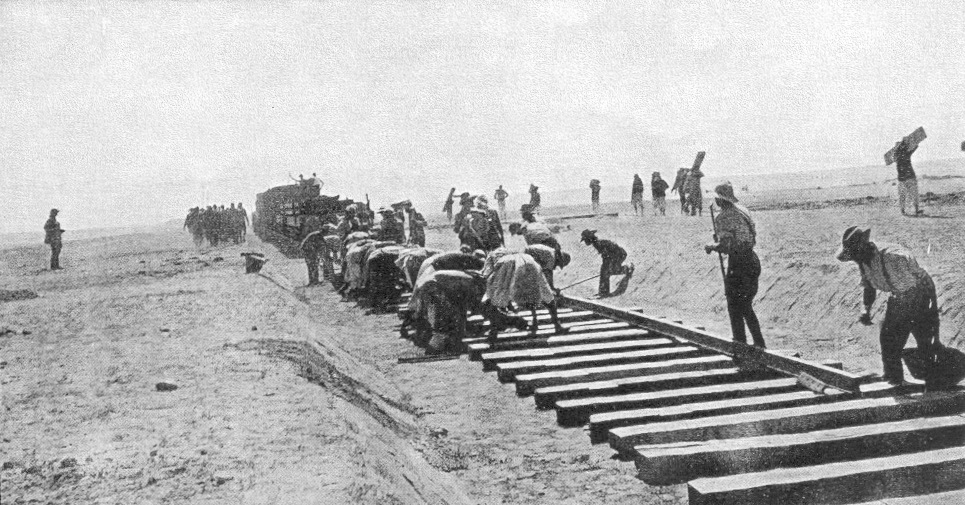
Construction of the British railway across the Sinai. Coupled with a water pipeline, this allowed British offensives to reach much farther into Ottoman land

German leaders formally announced their unrestricted submarine warfare policy January 9. On the Ottoman Palestine – Egyptian Sinai border, British troops attacked an Ottoman defensive position, losing 500 to the Ottoman 400, plus 1,400 prisoners. The recent railway has allowed the British to enter Ottoman land for the first time.

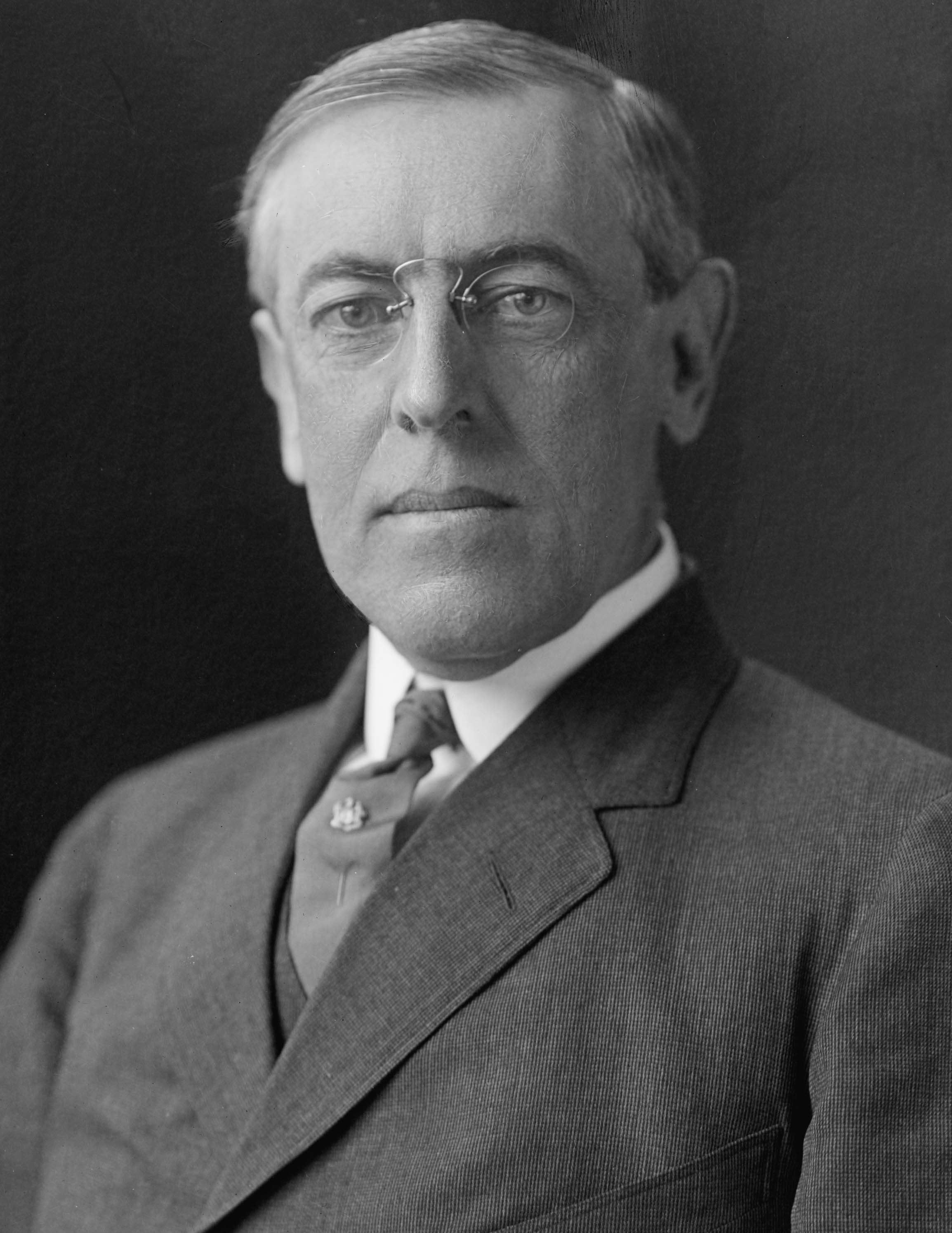
On January 10, the Allied governments released their peace objectives in response to United States president Woodrow Wilson’s request last month.


British flanking operations at Rafa

The following day, British troops went “over the top” at the Ancre zone and assaulted German positions. While movement was slow due to muddy ground made worse by shell explosions, most achieved their moderate gains, although some unwittingly went over German dugouts and were attacked from the rear.

Mametz, Western Front


<– Part 128 – December 31, 1916  | Part 129 – January 7, 1917 |  Part 130 – January 14, 1917 –>

Captain Selous

British defenders at Kibata received reinforcements January 1, including two howitzers, threatening the Germans in the heights above. The Germans withdrew January 6.

In German East Africa, British scouts under Captain Frederick Selous spotted German troops at Behobeho and engaged them January 3-4, before withdrawing. A German marksman killed Captain Selous, prompting the commander of German forces in East Africa, Paul Emil von Lettow-Vorbeck, to send a letter of condolences. Selous was a personal friend of former US President Theodore Roosevelt, prominent British figure Cecil Rhodes (namesake of Rhodesia), and was the basis of the Allan Quartermain character.

On January 4, Russian-Romanian forces abandoned Măcin, then Brăila next day. At El Arish, in Africa, the British railway and water pipeline have reached the newly-conquered city, continuing preparations to turn it into a prominent base. In Hejaz, there are rumors of Hashemite guerillas near Ottoman railroads, leading some to suspect sabotage in the future.

<– Part 127 – December 24, 1916  | Part 128 – December 31, 1916 |  Part 129 – January 7, 1917 –>

Grigori Rasputin

Grigori Rasputin

In the Tirelis Swamp, Russian reinforcements have mutinied, leading the Russian advance to be called off. The Germans, seizing the opportunity, counter-attacked, and were held off by the Latvian Rifles for two days in -35C weather. The Russians attack to the northern flank succeeded in taking 1,000 prisoners by overrunning a German fortified position. Fighting ended December 29, after the largest victory for the Russians on this front.

The German colony of Togoland, abandoned and occupied by the Allies, has been divided into occupation zones by the British and French.

The Russian mystic and royal advisor Grigori Rasputin, seen by many imperial figures as holding inappropriate sway over the royal family, was murdered December 31 by being poisoned, shot, and thrown into a lake. His body was found the next day.

<– Part 126 – December 17, 1916  | Part 127 – December 24, 1916 |  Part 128 – December 31, 1916 –>
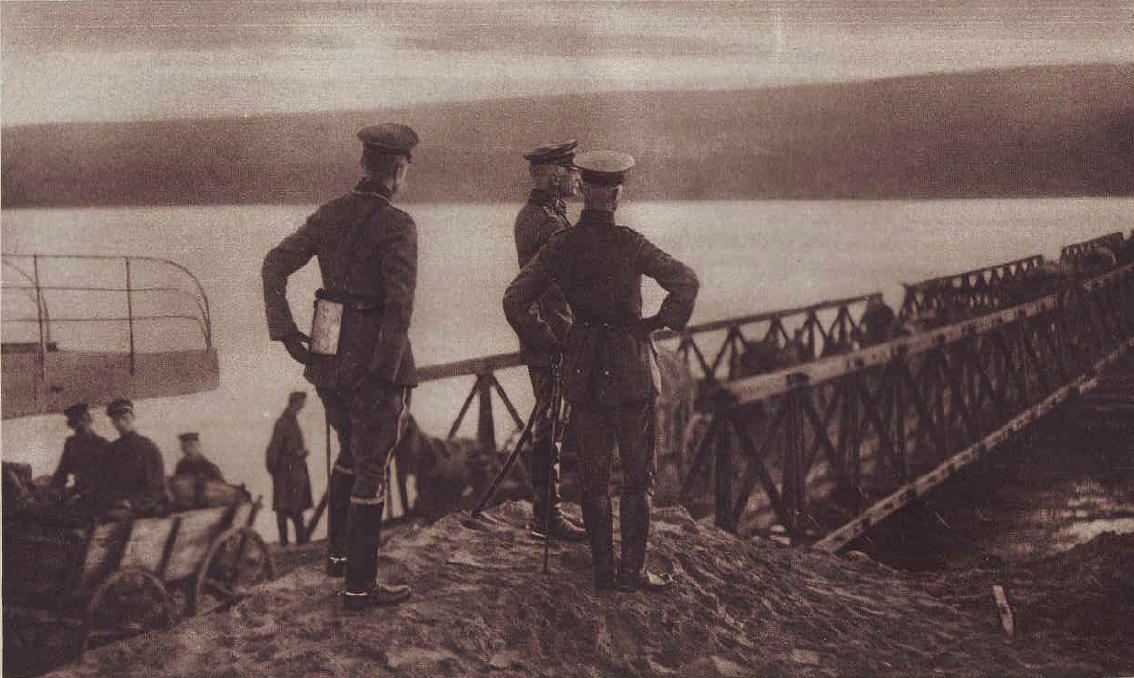
 

Von Mackensen shortly after crossing the Danube into Romania

Von Mackensen shortly after crossing the Danube into Romania one month ago

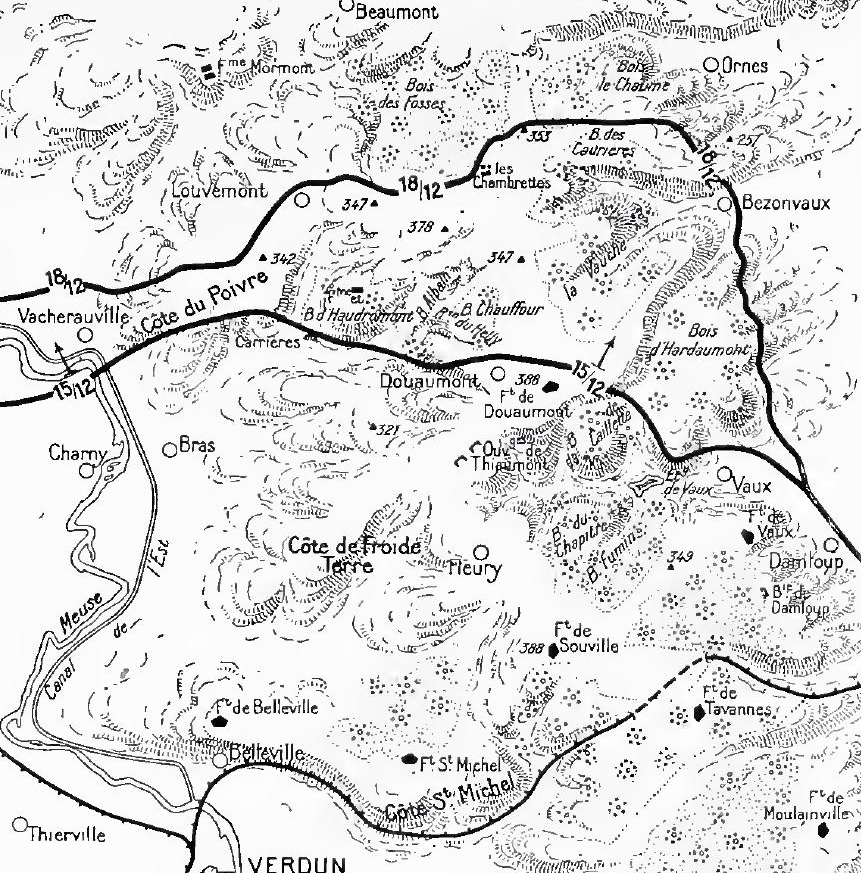
The German attacks at Verdun ended December 18 with the French holding their positions, bringing to a close one of the costliest battles in human history. Of nearly 2.4 million men, 1 million are casualties of war, slightly over half being French. With this end, US president Woodrow Wilson has asked for all major powers to release a statement of war objectives should peace be achievable.


On December 22, German commander Von Mackensen, in Romania, assaulted Râmnicu Sărat. There are rumors of a German memorandum calling for 600,000 tons of Allied shipping to be sunk each month, the quantity estimated at which Britain will sue for peace in 6 months.


Detail map of the Sinai peninsula, showing El Arish and Magdhaba

Detail map of the Sinai peninsula, showing El Arish and Magdhaba

That night, several Austro-Hungarian destroyers attacked French destroyers in the Otranto Barrage. After damage to each side, the attackers withdrew.


Fighting erupted on the Sinai Peninsula December 23, with the British attacking entrenched Ottoman forces at the village of Magdhaba. With British supply and rail lines sufficiently developed to allow an advance to El Arish, on the coast, the British scouts found the village deserted, the Ottomans having withdrawn to Magdhaba. The 6,000 British forces engaged the 2,000 defenders at 6:30am, and through the use of broad, sweeping envelopments and extensive aerial reconnoitering, the final assaulted commenced at 4:30 that afternoon, the Ottomans surrendering 10 minutes later, having suffered 300 killed, 300 wounded, and 1,300 prisoners to the British 22 dead, 124 wounded. El Arish has now been secured by the British and fortified, the Royal Navy having arrived one day earlier in anticipation of the advance.

The Tirelis Swamp, site of the Christmas Battles

The Tirelis Swamp, site of the Christmas Battles

The German Wall, including bunkers

The German Wall, including bunkers

To the extreme north, a combined Russian/Latvian force attacked at Riga, in the Tirelis swamp. An advance by Latvian rifleman in white snow camouflage cut the German barbed wire and took the first German lines, before climbing the “German Wall” to get further behind the German lines. Many Latvians were unable to climb the wall and chose to lay still in the snow, freezing to death, rather than retreat back to their lines, risk being seen by other German lookouts, and thereby betray the presence of their comrades.

<– Part 125 – December 10, 1916  | Part 126 – December 17, 1916 |  Part 127 – December 24, 1916 –>

With the Bulgarian lines holding for nearly a month, the Monastir offensive was ended December 11 by French general Joffre. 61,000 out of nearly 250,000 Central Powers soldiers are casualties, most of those lost being Bulgarian. The Allied forces, 300,000 strong, lost 50,000 to battle, plus another 80,000 to disease and illness, for a total of 130,000. Besides taking Monastir, the Allied achieved only minor gains. Two days later, Robert Nivelle replaced Joseph Joffre as Commander in chief of the French army.


Final French offensive at Verdun

Final French offensive at Verdun

The following day, the German government indicated it would accept a compromised peace, while the French government underwent further shuffling.


On the Italo-Austrian border, 10,000 soldiers were killed in avalanches December 13 in what is being called “White Friday.” In Mesopotamia, British commander Maude launched an offensive to early successes. The German sub SM U-29 was depth-charged by HMS Landrail off the coast of Kent, England.

The final offensive at Verdun was launched by French troops December 15 and captured nearly five miles through today. At Kibata, in German East Africa, a British thrust captured several German positions.

Tuareg rebels, in the French colony of northern Niger, have captured several villages and placed a French garrison under siege. In Persia, Russian general Baratov is capturing Qoms and Hamadan.

<– Part 124 – December 3, 1916  | Part 125 – December 10, 1916 |  Part 126 – December 17, 1916 –>

Former Prime Minister and head of Labour Herbert Henry Asquith

Former Prime Minister and head of Liberal Herbert Henry Asquith

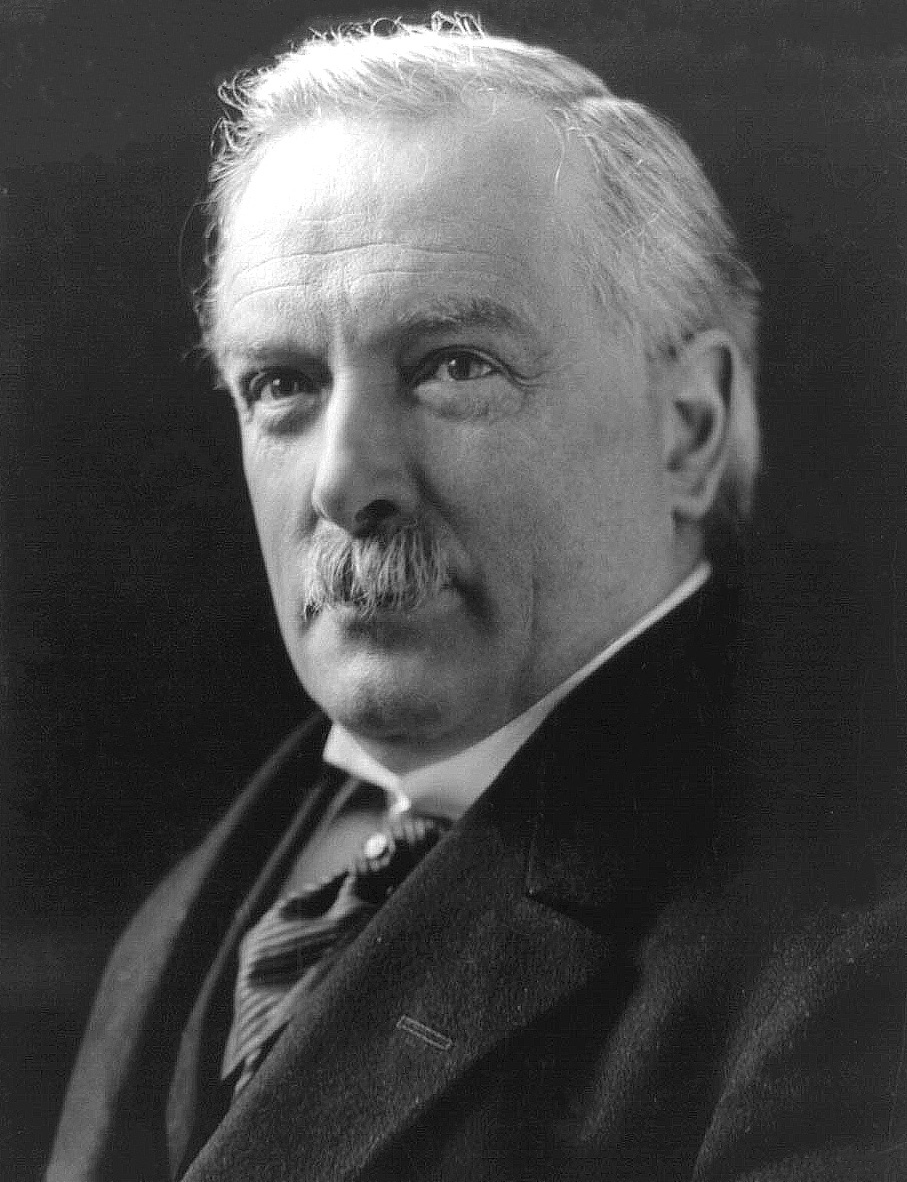
David Lloyd George, Asquith's replacement

David Lloyd George, Asquith’s replacement

Following several days of deteriorating relations within the Liberal Party, and a growing number of calls for his resignation, British Prime Minister H.H. Asquith has been replaced by David Lloyd George December 7.

Bucharest was occupied by the Central Powers December 6, and the Romanian capital has been moved to Iasi. The same day, the German sub UC-19 was depth charged by HMS Ariel in the English channel.

At Yanbu, in Persia, supply lines have been opened due to a combination of Arab counterattacks and British warships providing support.


<– Part 123 – November 26, 1916  | Part 124 – December 3, 1916 |  Part 125 – December 10, 1916 –>

Romanian campaign

Romanian campaign

German plans for the Battle of Bucharest

German plans for the Battle of Bucharest

The Romanians were pushed across the Olt River November 27 as the Central Powers advance on Bucharest. 150,000 Romanians and 250,000 Germans, Austro-Hungarians, and Bulgarians make this one of the largest battles on Romanian soil. The following day, seeing German forces surrounding them, a large cavalry charge of 5,000 men at Prunaru was launched against the Germans. 4,866 were killed, and only 134 survive. However, the infantry they were defending have withdrawn to defensive positions and were able to prepare for a counter-attack three days later.

German airplanes conducted the first air raid on Britain November 28, the first of the war, as all previous air raids were by blimp.

December 1 saw the Germans advancing on Bucharest hit by a Romanian flanking attack, comprised of half of their army. However, the Romanian reserves failed to arrive on time (suspiciously under the command of a general from Germany), and a staff car drove into the German lines with a complete plan of battle, leading the initial gains deteriorating into 60,000 captured troops, plus heavy casualties among the remaining 90,000 by December 3.

In Hedjaz, the Ottoman army is attempting to retake Yanbu with a force several times larger than the 4,000 Arabs and British defending the city. T.E. Lawrence assists the British command.

<– Part 122 – November 19, 1916  | Part 123 – November 26, 1916 |  Part 124 – December 3, 1916 –>

Emperor Franz Joseph

Emperor Franz Joseph

Charles I

Charles I

The front lines have Monastir have stabilized, a tactical victory for the Allied forces opposing the German advance.

On the morning of November 21, the hospital ship HMHS Britannic, sister ship to Titanic, suffered an explosion and sunk 55 minutes later. However, due to lessons learned a few years ago from Titanic, 1,035 survived, and only 30 died. Many of the casualties were caused by lifeboats drifting into the propellers as they rose out of the water.

That night, the Austrian emperor Franz Joseph died at age 86 of complications from pneumonia. His grand-nephew, Charles I, has succeeded him. Franz Joseph was also king of Hungary, Croatia, and Bohemia, and the former president of the now-defunct German Confederation.

In Romania, German forces entered Craiova November 23, though a minor action at Robanesti delayed the advance. Elsewhere, German forces launched across the Danube in several places, catching the Romanians off-guard, and are advancing towards Bucharest.

In Britain, on November 25, John Jellicoe was promoted and is the new First Lord of the Seas. David Beatty replaces him as commander of the Grand Fleet.

<– Part 121 – November 12, 1916  | Part 122 – November 19, 1916 |  Part 123 – November 26, 1916 –>

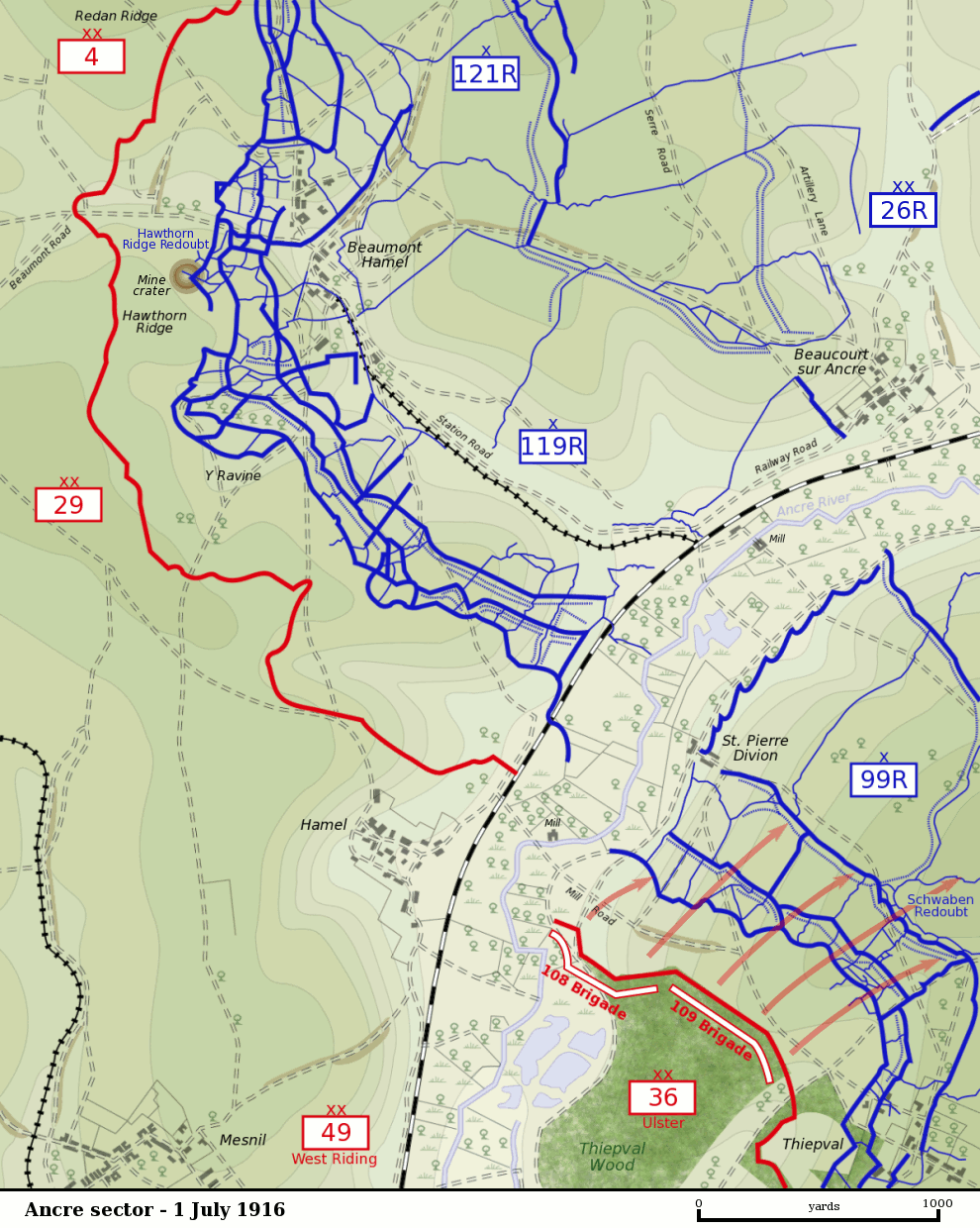
Ancre sector 1 July 1916, showing the Hawthorne redoubt (and mine crater) near the top left.

Ancre sector 1 July 1916, showing the Hawthorne redoubt (and mine crater) near the top left.

A mine was detonated under the Hawthorne Redoubt November 13 near Ancre, starting the final Allied offensive of the Somme. Using a series of small, focused attacks designed to keep the Germans off-balance, the Allies pushed their advance through yesterday, losing 22,000 men to the German’s 38,000 (plus 7,000 prisoners). With that, both sides are hunkering down and preparing for winter, while the Germans seem to be preparing a fortified, defensive line some dozens of kilometers behind the front lines. And so the Somme campaign has finished, somewhat inconclusively, with 420,000 British, 200,000 French, and 450-500,000 German casualties – over one million men cut down.

The fighting at Crna Bend, part of the Monastir campaign in Macedonia, ended earlier today. The Central Powers withdrew from Monastir yesterday, and the French and Russian forces occupied it today. Tens of thousands of casualties, predominately Bulgarian, German, and Austro-Hungarian, litter the field, where the Central Powers have retreated to defensive positions, and the Allies are too exhausted to continue pressing their advantage.

<– Part 120 – November 5, 1916  | Part 121 – November 12, 1916 |  Part 122 – November 19, 1916 –>

The body of Ali Dinar, Sultan of Darfur

The body of Ali Dinar, Sultan of Darfur

Anglo-Egpytian forces came upon the camp of Ali Dinar, Sultan of Darfur, November 6 and opened fire, then pursued the fleeing forces one mile. The sultan was found dead. Darfur has become part of Sudan, at a total cost (for the campaign) of £500,000.

US President Woodrow Wilson

US President Woodrow Wilson

In the United States, President Woodrow Wilson has been re-elected with the campaign slogan “He kept us out of the war.”

At the Somme, the fighting at the Ancre heights ended yesterday with a British victory, despite problematic weather conditions. At nearby Le Transloy, the German defenders are under intense pressure, but holding – the same condition the German soldiers on the other side of Europe face at the Crna Bend, in Macedonia.


In the German East Africa colony, there are reports that Kibata is under South African attack, with both sides in trenches, much like Europe. At Matamondo, approximately 250 Germans faced around 370 British soldiers are defeated them, killing 32, wounding 50, and capturing the rest, with less than a dozen casualties to show for it.