
<– Part 25 – January 17, 1915 | Part 26 – January 24, 1915 | Part 27 – January 31, 1915 –>

German battlecruisers Derfflinger, Moltke, and Seydlitz sailing to Dogger Bank
Opposing forces continue skirmishing at Cuinchy, on the Western front. At Champagne, minor, small German attacks continue, but most focus has shifted to the Eastern front. At Sarikamish, the retreating Turks are confirmed to have suffered 90% casualties, and Enver Pasha has resigned in disgrace.

German armored cruiser Blucher sinking
On January 18, after nearly one month of fighting, Ardahan has fallen to the Russians, as the last Ottoman units are evacuating.
In German East Africa, fighting January 18-19 at Jassin saw the 300 British invaders defending against a German force over five times their size, although British forces swelled with an additional 800 reinforcements. However, after 300 casualties, the British forces surrendered, and their leaders were allowed to return home after promising not to fight anymore. Yet the ammunition and officer losses for the Germans dissuade any further fighting in the field.
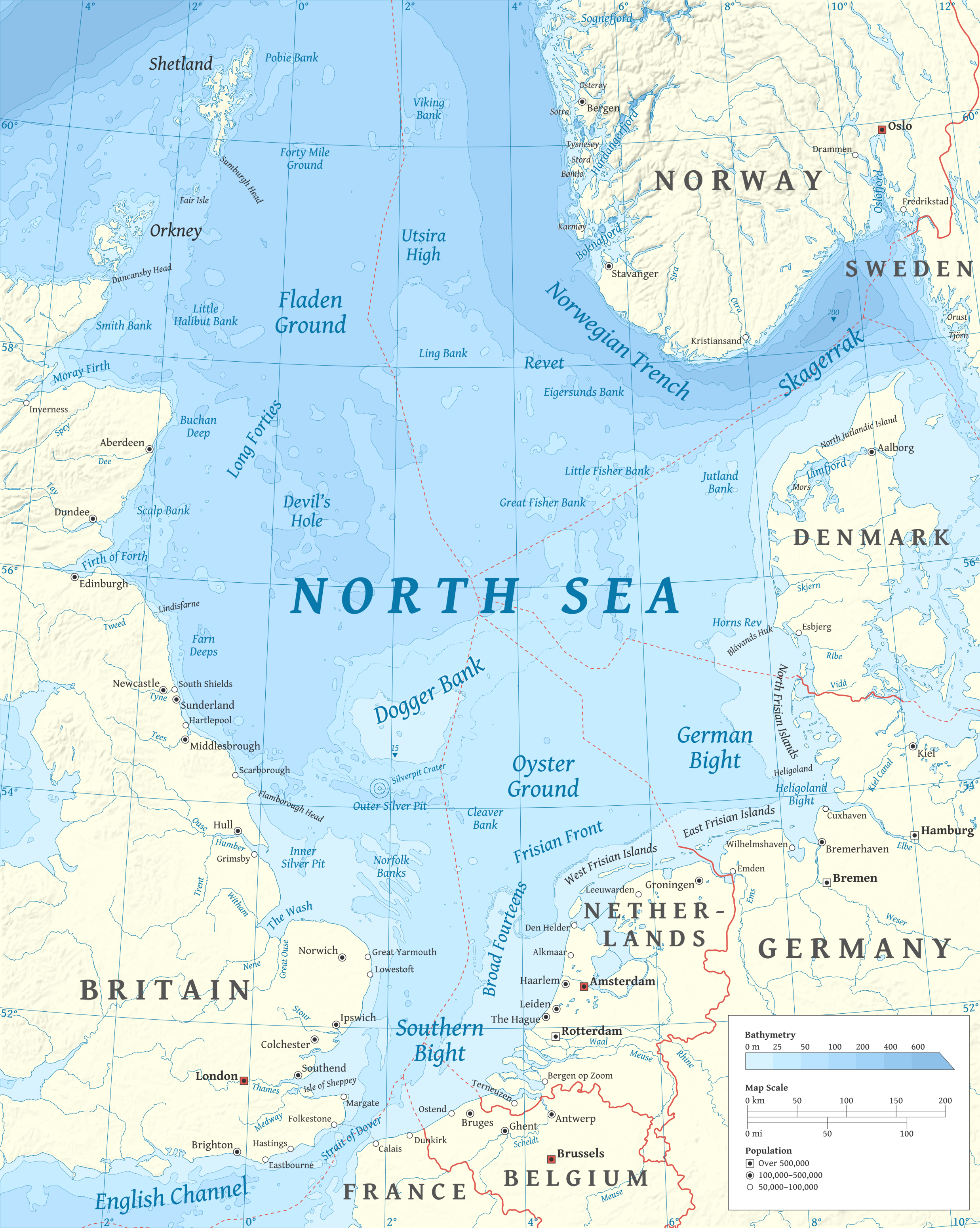
Map of the North Sea. Dogger Bank is towards the middle
Later that day, the first zeppelin raid on Great Britain commenced. On the Western front, fighting has erupted at Hartmannswillerkopf, a peak in Alsace. The French Seventh Army faces the German Army Detachment B, both with 15,000 men.
The night of January 23/24 saw 4000 Russian forces attack near Rafajlowa, attempting to cut off a pass through the Eastern Carpathians. The surprise assault took 2 trench lines before the Polish Legions attacked from three directions with bayonets, repulsing the Russians and retaking the trenches.
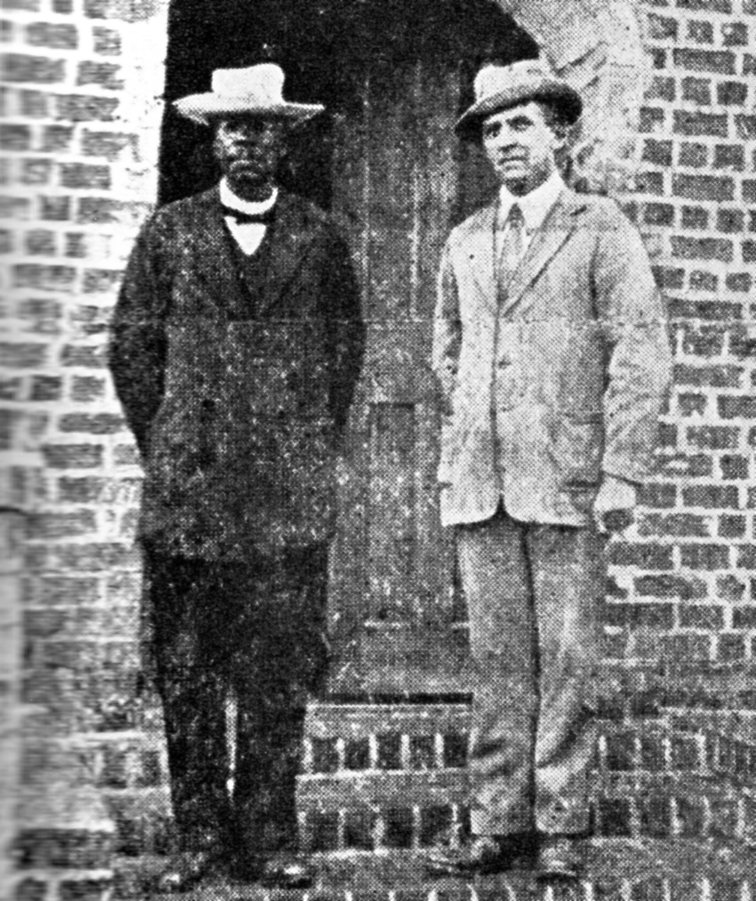
Last picture of John Chilembwe (left), taken in 1914
In the North Sea, at Dogger Bank, the British Grand Fleet was able to decode German naval transmissions and intercept the German High Seas Fleet on January 24. After a day of fighting, the Germans suffered on Armored Cruiser sunk, one battlecruiser damaged, while the British only suffered serious damage to one battlecruiser. Additionally, the British suffered only 45 casualties to the German’s 1,200. The Germans were outgunned, slower, and unable to escape, but managed to due to a lack of British communication, as well as the general appearance of the battle “getting away” from the British commander, stopping the battle from becoming a rout.

Nyasaland, marked in dark red
On January 23, in British Nyasaland (modern Malawi), years of grievances against forced labor, discrimination, and lack of representation & control of ancestral lands erupted in an uprising led by Christian millenialist preacher John Chilembwe, whose name has been lent to the uprising. An attack on the headquarters of a large business landowner killed 3 colonists, while an attempt to take weapons from a large cache failed during the night. This morning the militia has been raised and assembled, and the uprising seems doomed.
Recent Comments